
How to plan a garden office that enhances productivity
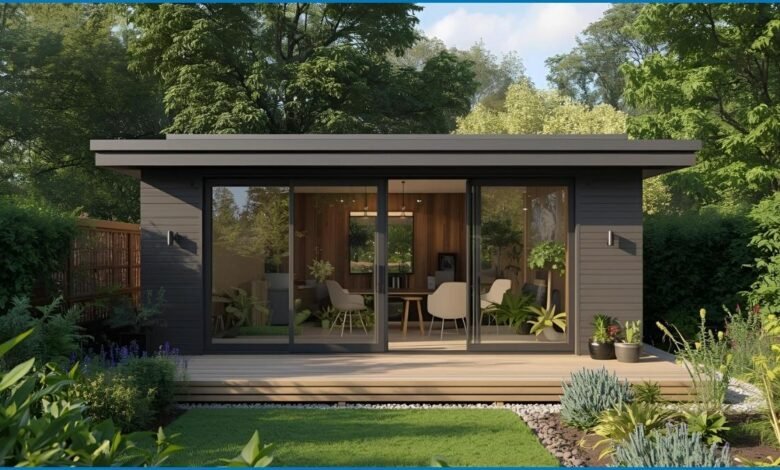
Work from home has become the new normal for many people, but not everyone has the luxury of a dedicated office inside the house. This is where a **garden office** comes in: a quiet, private, and inspiring workspace a few steps away from your back door. Whether you are a freelancer, a business owner, or a remote employee, creating a well-designed garden office can significantly boost **focus, productivity, and work-life balance**.
In this guide, we will walk you through the essentials of planning your garden office, from choosing the right design to ensuring proper insulation, lighting, and ventilation. —
Start with a Clear Plan
The foundation of any successful project lies in the planning stage. Before picking up a hammer or ordering materials, think carefully about how you will use your garden office:
- **Daily Tasks**: Will you primarily be on video calls, working on design projects, or conducting client interviews?
- **Storage Needs**: Do you require space for files, bookshelves, or equipment?
- **Flexibility**: Could the space also double as a hobby room or a guest room?

Setting your requirements will help you choose between different garden office plans. Some people prefer compact work pods, while others opt for larger structures that accommodate collaboration and creative activities.


If you lean towards a hands-on approach, exploring **DIY garden office designs** can save money while allowing for customization. Just ensure your plans comply with local building regulations. —
Insulation: The Key to Year-Round Comfort
A garden office needs to be more than just a shed with a desk inside. Without proper insulation, the space can become stifling in summer and freezing in winter, making it impossible to focus.
High-quality insulation provides three main benefits:
- **Temperature Control**: Keeps the office warm in cold months and cool during heatwaves.
- **Noise Reduction**: Minimizes distractions from neighbors, traffic, or garden activity.
- **Energy Efficiency**: Reduces heating and cooling costs.

When browsing insulated garden room plans, look for multi-layer wall insulation, **double-glazed windows**, and properly sealed doors. Investing in insulation early on pays dividends in comfort and productivity down the line. —
Smart Layout for Focus and Flow
The way your garden office is arranged has a direct impact on productivity. A cluttered or poorly planned layout can feel restrictive, while an organized area encourages creativity and focus.
Here are a few layout tips to consider:
- **Positioning**: Place your desk near a window to take advantage of natural light without facing direct glare on your screen.
- **Zoning**: Separate your work area from relaxation or storage zones. Even in a small garden room, subtle area division can help maintain focus.
- **Ergonomics**: Invest in an adjustable support chair and a height-adjustable desk to prevent back and neck strain.
- **Minimize Clutter**: Keep only the essentials in the room; extra furniture and mess can be distracting.
If you’re working from DIY garden office designs, sketch out different layouts before finalizing where the doors, windows, and electrical ports will go. This foresight prevents headaches later.

—
Lighting: Balance Natural and Artificial Sources
Lighting can make or break a workspace. Poor lighting causes eye strain, fatigue, and low productivity, while good lighting keeps you alert and motivated.
Natural Light
Maximize daylight by including large windows or skylights in your design. South-facing windows capture sunlight throughout the day, while blinds or shades help you control glare.
Artificial Light
Combine general ambient lighting with task lighting, such as a desk lamp. Warm, ambient light creates a cozy atmosphere, while cooler light is better for focus. Even smart lighting systems allow you to control brightness and color temperature throughout the day.
When planning your garden office plans, be sure to include ample electrical outlets so you can place lamps exactly where you need them most.

—
Ventilation: Fresh Air, Clear Mind
Stale air can leave you feeling sluggish and uninspired. A good ventilation system keeps your garden office environment fresh and healthy.
Here’s how to ensure good airflow:
- **Windows**: Opt for opening windows on opposite sides of the room for **cross-ventilation**.
- **Vents**: Incorporate wall or ceiling vents to prevent condensation and dampness.
- **Mechanical Systems**: If you live in an area with harsh weather, consider a small HVAC unit or an air purification device.
Ventilation is not just for comfort; it also helps protect your office equipment and furnishings from moisture damage. Aim for a breathable yet insulated structure that achieves the ideal balance. —
Personalization: Make It Inspiring
Finally, remember that productivity flourishes in spaces that feel comfortable and inspiring. Once you have the basics—insulation, layout, lighting, and ventilation—in place, add the finishing touches that reflect your style.
- **Colors**: Choose soothing shades like greens and blues, or stimulating tones like yellows and oranges, depending on your work style.
- **Plants**: Indoor greenery improves air quality and creates a connection to the surrounding garden.
- **Decor**: Simple wall art, bookshelves, or a corkboard for ideas can make the space uniquely yours.

The goal is to create a workspace you enjoy spending time in, not just a functional box at the end of your garden. —
Final Thoughts
Planning a garden office is about more than just building a shed. It’s about creating an environment that supports focus, comfort, and creativity. By starting with a clear plan, investing in proper insulation, designing a smart layout, budgeting for lighting, and ensuring good ventilation, you will set yourself up for success.
Whether you explore a DIY garden office build or professional installation, a thoughtful design will transform your workspace into a place you look forward to every day. For inspiration on creating a cozy and effective workspace, check out our collection of insulated garden room plans to get started.




 EN
EN AR
AR FR
FR DE
DE ES
ES IT
IT